The microbiome
The microbiota is the diverse microbial community found in an environment. From the soil to our bodies- these microbes can perform exceptional feats. Over the years researchers delving into the environmental microbiome have been able to find: fungi able to digesting plastics, using uranium to power their cell via reduction to breaking down oil from oil spills.
Whereas, understanding the microbiome of our body has helped us understand and identify microbes which are both beneficial and harmful for our health. From the parasitic protists, beneficial bacteria to funky fungi- the microbiome of our body remains full of suprises.
The microbiome of the body
Microbes found all around our body- from our gut, to our mouth (oral) to our skin. The microbiome is made up of a diverse array of microbes which can be beneficial or harmful to our health. For example, the gut microbiome is made up of:
- Bacteria like the beneficial bacteria Lactobacillus rhamnosus as well as disease causing Enterohemorrhagic Escherichia coli.
- Archaea including methogens like Methanobrevibacter smithii and Halorubrum alimentarium.
- Fungi from simple Saccharomyces to dimorphic Candida albicans.
- Parasitic protozoa like Giardia.
The microorganisms can either be commensal or pathogenic. Comensal organisms like the bacteria L.rhamnosus produce beneficial chemicals like short chain fatty acids like butyrate as well as essential amino acids like tryptophan which we cannot produce.
In contrast, pathogens cause diseases. For example in the gut microbiomes can cause diseases like Salmonellosis via Salmonella enterica, giardiasis via Giardia to deadly systemic candidiasis via C.albicans. Whereas, the oral microbiome is host to the pathogen Porphyromonas gingivalis which in addition to causing gingivitis (inflammation of the gums) has also been implicated as a risk factor for Alzheimer’s disease. Finally, the skin is also host to pathogens like the fungi Tinea Corporis which is able to cause ringworm.
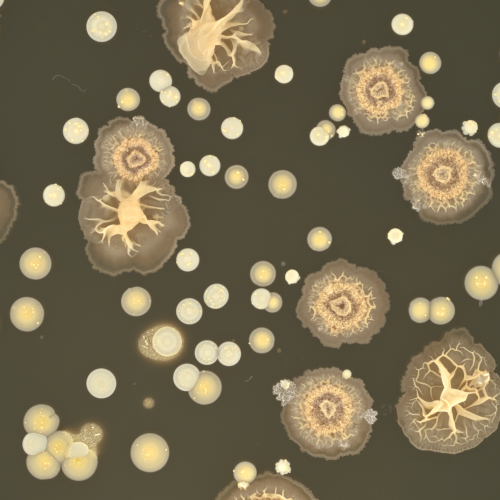
Challenges culturing a microbiome
Microbes we find are fickle things to culture. Simple agar, aerobic conditions and mono-cultures might work for our workhorses like Saccharomyces cerevisiae, E.coli and algal Chlamydomonas. However in the gut there are:
- Obligate anaerobes like M.smithii– that will die in aerobic conditions.
- Biofilms and complex communities- where bacteria, fungi and archaea live in tight-knit communities which a dependent on each other.
- Microbes that require exotic media to grow and survive- simple LB agar used for E.coli is sometimes not enough.
The bog-standard methods for culturing do not cut it for these exciting microbes- and you need the tools to work with them. Whether its imaging to pick apart the diverse microbes on your plate, automated picking and loading of your plates or identification with MALDI-TOF.
Singer Instruments accelerating the science of the microbiome
For years our instruments have empowered scientists to has been a trusted manufacturer in world-leading labs tackling the gut microbiome such as the Australian Human Microbiome Biobank. Our robust robotics can be relied upon to tackle anaerobes through their seamless integration with anaerobic chambers and identification via MALDI-TOF.
Below are some case studies and applications of our robust robotics in tackling the challenges of culturing microbiomes.